How to Rank on Google: What Actually Matters in 2026
Everyone says Google has 200+ ranking factors. The data shows five account for 75% of the algorithm. Here's the weighted breakdown from multi-million-result studies, what AI Overviews changed, and the exact playbook for startups.
Rori Hinds··10 min read
Google reportedly uses 200+ ranking factors. Every SEO blog lists them all. Most founders read these lists, feel overwhelmed, and go back to building product.
Here’s the thing: the data shows that five factors account for roughly 75% of the algorithm’s weight. Everything else is noise.
First Page Sage has been tracking Google’s algorithm continuously for 15 years. Surfer SEO analyzed 1 million SERPs. DollarPocket ran a study across 10 million search results. And in 2026, the picture is clearer than ever.
If you’re a founder trying to figure out how to rank on Google without making SEO your full-time job, this is the only breakdown you need.
What this post covers
The weighted ranking factors from multi-million-result studies, the AI Overviews problem eating your organic clicks, and the specific playbook for startups and SaaS companies to rank in 2026. Every claim is backed by data with sources.
The Five Factors That Actually Drive Rankings
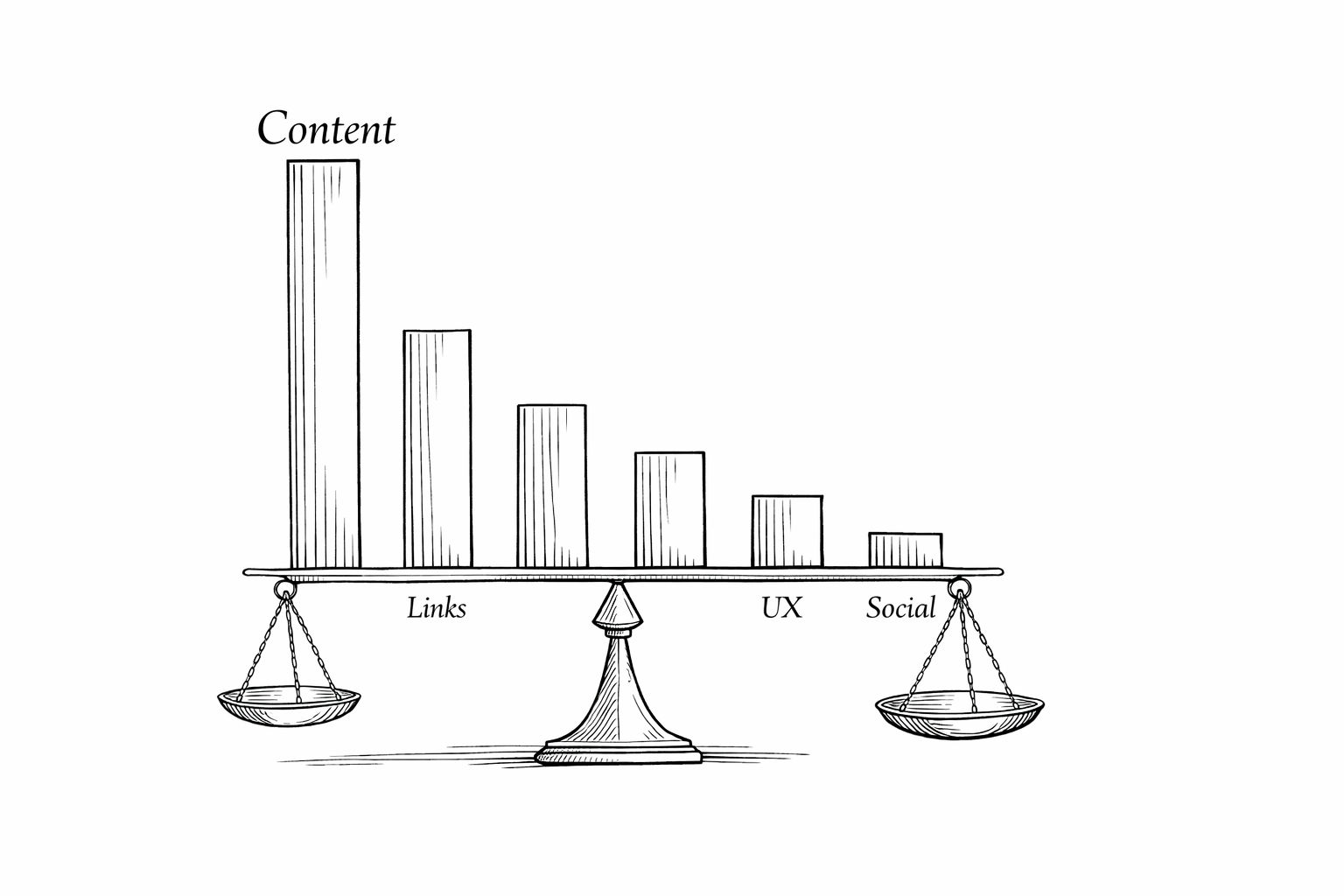
First Page Sage’s Q1 2025 study — the most cited continuous ranking factor analysis in the industry — assigns specific percentage weights to each factor based on 15 years of data. Here’s what the algorithm actually looks like:
Source: First Page Sage, Q1 2025 Google Algorithm Ranking Factors Study
Ranking Factor
Algorithm Weight
Trend
Consistent Publication of Satisfying Content
23%
▲ Rising
Keyword in Meta Title Tag
14%
▼ Declining slightly
Backlinks
13%
▼ Down from 15% in 2023
Niche Expertise (Topical Authority)
13%
Steady
Searcher Engagement
12%
▲ Rising 3 years straight
Freshness
6%
▲ Jumped from <1%
Everything Else Combined
19%
—
Five factors. 75% of the algorithm. Let’s break each one down.
1. Consistent, Satisfying Content (23%)
This is the single biggest factor, and it’s been growing. The key word isn’t “content” — it’s “consistent” and “satisfying.”
Google tests newly-published content to see how well it responds to search intent. Sites that publish quality content at least twice per week get faster indexing and higher rankings. Sites posting 9+ blog posts monthly see a 20.1% organic traffic uplift — 3.6× higher than low-frequency publishers.
But volume alone doesn’t cut it. The Surfer SEO study of 1 million SERPs found that topical coverage — the depth and breadth of related entities, facts, and subtopics on a page — is the strongest on-page signal tied to rankings. Their internal data showed top-performing pages covered ~74% of relevant subtopics, while bottom performers averaged just ~50%.
What does this mean for you? Don’t publish a thin 500-word post once a month. Publish deeply-focused content that builds topical authority at least twice a week. Each post should fully answer the searcher’s question so they have zero reason to hit the back button.
Content consistency is the single largest ranking factor at 23% — nearly double the weight of backlinks.
2. Keyword in Meta Title Tag (14%)
This one’s simple and non-negotiable. If your target keyword isn’t in your title tag, you’re leaving 14% of the algorithm on the table.
First Page Sage notes that Google has loosened its definition of keyword matching since 2023 — “buy webcam” and “buy webcams” are treated nearly the same now. But the keyword still needs to be there. Think of it as a prerequisite: you can’t rank for a term if Google doesn’t know you’re targeting it.
The IncRev study of 11.8 million search results confirms this: most top-ranking pages have keyword-optimized title tags, even though exact placement within the top 10 doesn’t correlate once you’re already there. It’s a binary gate — either you pass it or you don’t.
Choosing the right keyword to put in that title tag is where most founders get stuck. A solid keyword research process for startups will tell you which terms you can realistically compete for — and which ones are a waste of time at your current domain authority.
3. Backlinks (13%, Down From 15%)
Backlinks still matter. But the story in 2026 is that they matter less than they used to.
First Page Sage dropped backlinks from 15% to 13% in 2024-2025. They note that backlinks “represent an era when Google’s AI wasn’t sophisticated enough to evaluate content quality on its own.” The algorithm has moved on.
What the data does show: the #1 position in Google has 3.8× more backlinks than positions #2-#10 (IncRev, 11.8M results). And the Google API leak in May 2024 revealed that link distribution diversity — backlinks spread across multiple pages, not concentrated on one — matters more than previously thought.
For startups, this is actually good news. You don’t need thousands of links. You need a handful of high-quality, contextually relevant links from niche-authority sites. One backlink from a respected industry publication outweighs dozens of generic directory links.
The startup advantage
Backlinks declining in weight is great for founders. It means a tightly-focused site with excellent content can compete against established players with massive link profiles. The game is shifting from "who has the most links" to "who has the best content for this specific query."
4. Niche Expertise / Topical Authority (13%)
This is where startups can punch way above their weight.
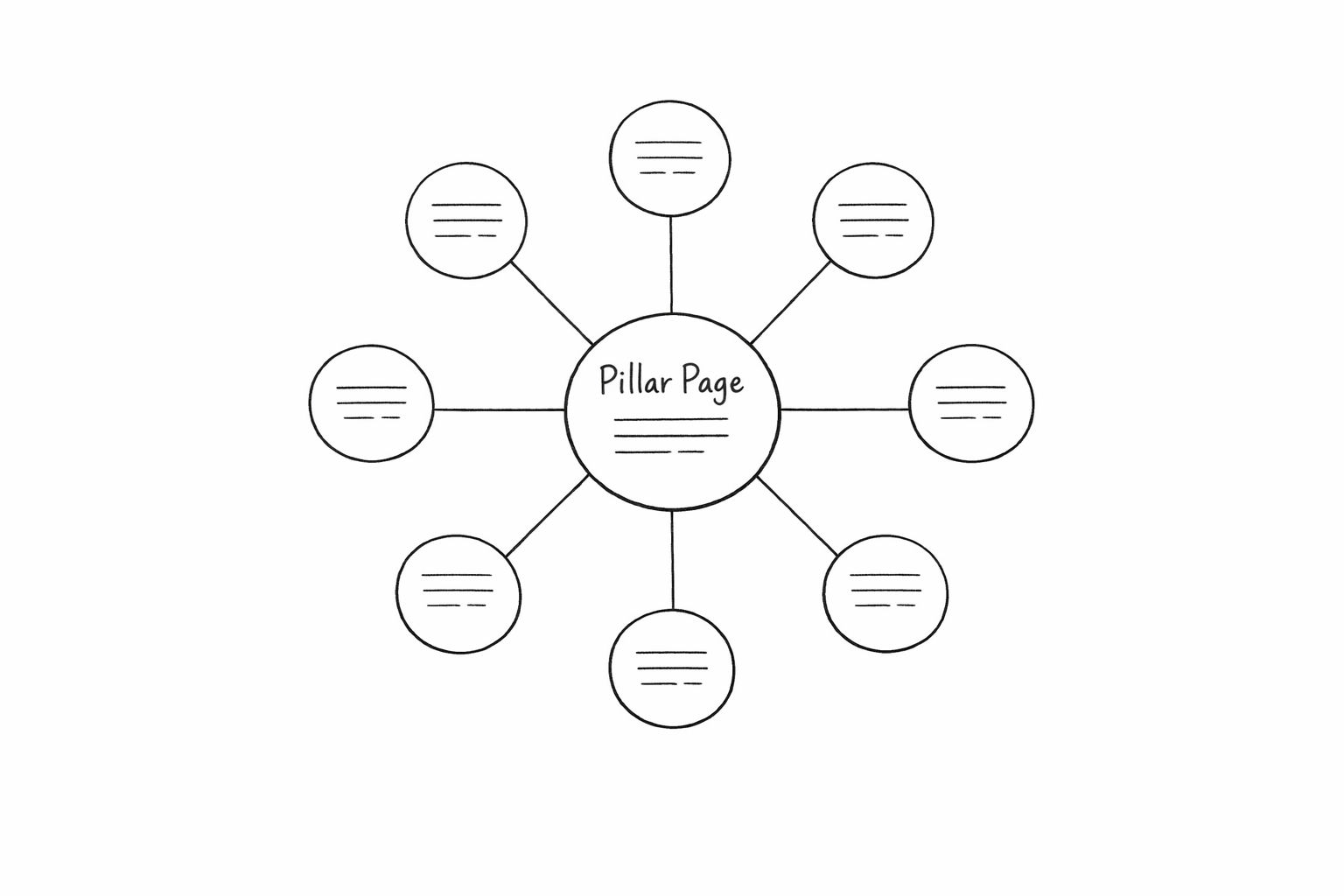
Google now favors clusters of content that demonstrate deep expertise on a specific subject over broad, shallow coverage. First Page Sage calls this “Niche Expertise” and assigns it 13%. It’s built through what SEOs call hub-and-spoke content: a pillar page targeting a broad keyword, connected to a cluster of supporting pages covering subtopics.
The data backs this up hard. Sites with topic clusters generate 30% more organic traffic and sustain rankings 2.5× longer than standalone posts. After Google’s December 2025 Helpful Content Update, clustered sites averaged a 23% organic visibility increase — while generic, unfocused sites lost 18%.
Even more telling: sites with 25-30 interlinked articles per cluster see 40-70% keyword ranking increases within 3-6 months. You don’t need 500 blog posts. You need 20 deeply-connected posts that own one niche.
A tightly-connected topic cluster of 20-30 posts builds more topical authority than hundreds of disconnected articles.
5. Searcher Engagement (12%, Rising)
This factor has increased every year for three straight years. Google is measuring whether people actually stay on your page.
The signals: time on page, scroll depth, click-through rate from the SERP, and whether the user bounces back to search results (pogo-sticking). 80% of users abandon sites that don’t match their search intent. Sites meeting Core Web Vitals benchmarks see 24% less user abandonment.
First Page Sage puts it bluntly: “Average is the new bad.” In the age of AI-generated content, anyone can produce decent-to-good content. Google only wants to reward the #1 spot to content that merits reading every word.
For SaaS founders, this means your blog posts need to be genuinely useful — not keyword-stuffed filler. Structure matters: use headers, tables, callouts, and visuals so people actually engage instead of bouncing.
The AI Overviews Problem: Ranking Isn’t Enough Anymore
Here’s the uncomfortable truth that changes everything about how to rank on Google in 2026.
AI Overviews now appear on 13-18% of Google queries — and that number grew 300-500% year-over-year. When they show up, they demolish organic click-through rates.
Organic CTR fell 65% — from 1.76% to 0.61% — on queries with AI Overviews. Brands cited in AI Overviews earned 35% more organic clicks and 91% more paid clicks compared to non-cited pages.
Let that sink in. Position 1 organic CTR dropped 18% when AI Overviews appear (from 28% to 23%). Position 2 fell 39%. Informational queries — the bread and butter of SaaS content marketing — lost 30-40% of organic traffic.
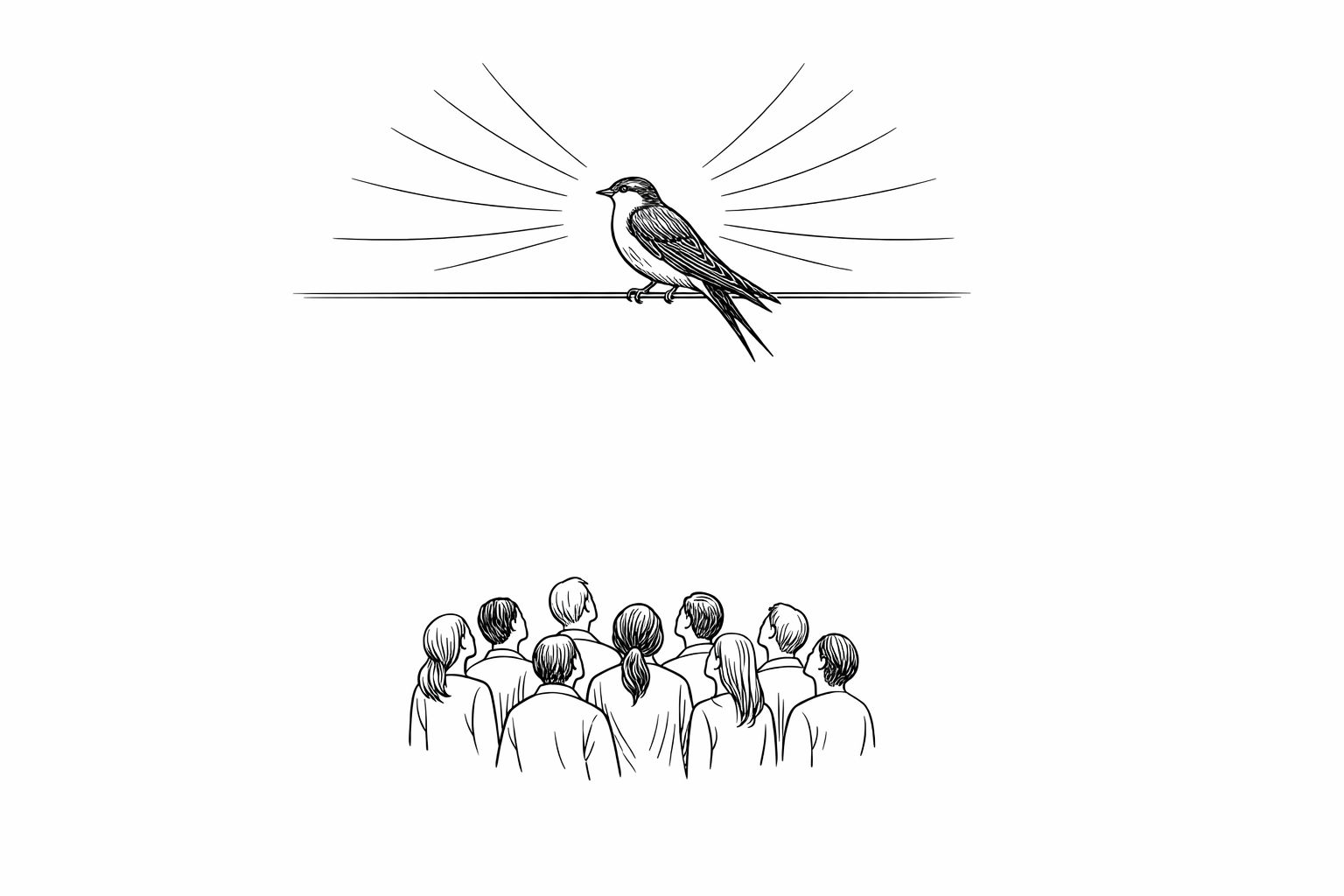
But here’s the flip side: sites that get cited in AI Overviews see a 35% click boost. And 86% of AI citations come from sites with 5+ interconnected pages on a topic.
So ranking on Google is now a two-part game: rank high in traditional results AND get cited in AI Overviews. The good news? Both goals are served by the same strategy — deep, authoritative, well-structured content.
Map out 20-30 subtopics around your core keyword. Build a pillar page and interlink everything. Sites with this cluster structure rank 3× faster than those relying on domain authority alone.
Step 2
Publish at least 2 quality posts per week
Consistency is the #1 factor at 23%. Sites posting 9+ posts/month see 20.1% more organic traffic. Each post should cover ~74% of related subtopics (use Surfer, Clearscope, or even just analyze the top 5 results manually).
Step 3
Put your keyword in the title tag — every time
14% of the algorithm. It's a prerequisite, not a strategy. If you're not doing this, nothing else matters.
Step 4
Update existing content quarterly
Pages updated at least once per year gain an average of 4.6 positions. Quarterly updates likely do even better. Add new data, expand sections, refresh outdated stats.
Step 5
Earn 3-5 quality backlinks per month
Focus on contextually relevant links from niche publications. One mention in an industry blog beats 50 directory submissions. Consider guest posts, original research, and building in public to attract natural links.
Step 6
Structure for engagement and AI citation
Use clear headers, tables, lists, and direct answers to questions. 86% of AI citations come from sites with interconnected, well-structured pages. Make your content easy for both humans and LLMs to parse.
The freshness trap
Google now detects superficial updates. Changing the date on your post or swapping a few words won't work — the December 2025 core update specifically penalizes this. Freshness means adding real value: new sections, updated data, expanded coverage. Don't game it.
What This Means for SaaS Specifically
SaaS companies have a structural advantage in 2026’s ranking landscape.
Your product solves a specific problem. That means you naturally have niche expertise (13% of the algorithm) if you write about your domain. A FinOps SaaS that publishes deeply on cloud cost optimization will outrank a generic marketing blog covering the same topic — even with fewer backlinks.
The case studies prove it. Instatus (DevOps SaaS) saw 1,500% organic traffic growth with a focused content strategy. A startup project management SaaS achieved 185% organic traffic increase in just six months by building content clusters around their niche. SignHouse hit 60,000+ monthly organic visitors in six months.
The common thread: none of these companies tried to rank for everything. They picked their lane and published consistently within it.
If you’re running an early-stage SaaS, here’s the honest math: the lean SEO stack costs under $50/month. Publishing 2 quality posts per week is the harder part. That’s where automating your blog workflow changes the equation entirely.
The Bottom Line
How to rank on Google in 2026 comes down to this: publish excellent content consistently in a focused niche, make sure your basics are covered (title tags, site speed, mobile), and build a handful of quality links.
The weights have shifted. Content quality is nearly double the importance of backlinks. Topical authority lets small sites outrank giants. And engagement metrics mean your content actually has to be good — not just optimized.
The biggest change? AI Overviews are eating organic CTR on informational queries. But the same strategy that ranks you #1 also gets you cited in AI answers: deep, structured, authoritative content on a specific topic.
Stop reading lists of 200 ranking factors. Focus on the five that matter. Start publishing.
Want your SaaS blog to rank on Google — without writing a word?
Vibeblogger researches, writes, optimizes, and publishes SEO blog posts for your app on autopilot. Every post targets real keywords, builds topical authority, and follows the exact playbook in this article. You ship product. We ship content.