A CS student built a full SaaS — auth, payments, database, deployment — in 3 days. A coffee roaster in Australia with zero coding experience shipped an asset tracking app using only Replit. Someone on NovaKit built a working, payment-accepting product in 2 hours flat.
A year ago, those timelines would’ve been absurd. Now they’re Tuesday.
Vibe coding changed the math for indie hackers. Not incrementally. Structurally. And the data backs it up.
The Numbers Are Ridiculous
25% of Y Combinator’s Winter 2025 batch shipped startups with 95%+ AI-generated codebases. YC managing partner Jared Friedman was clear: these aren’t non-technical founders winging it. “Every one of these people is highly technical, completely capable of building their own products from scratch. A year ago, they would have. But now 95% of it is built by an AI.”
The vibe coding tools market hit $4.7 billion in 2025 and is projected to reach $12.3 billion by 2027. Cursor went from $1M to $100M ARR in 12 months — the fastest any SaaS company has ever done it. Lovable hit $400M ARR by March 2026 with 200,000 new projects created daily.
These aren’t vanity metrics. They’re a signal that building software got fundamentally cheaper and faster for everyone — especially solo founders.
What Actually Changed for Indie Hackers
Traditional MVP development costs $15,000–$150,000 and takes 3–6 months. That’s fine if you have funding. It’s a death sentence if you’re bootstrapped and testing an idea.
Vibe coding tools like Cursor ($20/mo), Bolt.new, Replit, and Lovable dropped the cost of a working MVP to near zero. 63% of vibe coding users aren’t even developers — they’re founders, designers, and domain experts who previously couldn’t build at all.
Here’s what this looks like in practice:
- Dan, a coffee roaster doing $1.5M/year in Australia, had zero dev skills. He vibe-coded AssetShark — a full SaaS for asset tracking — entirely in Replit. No code written by hand.
- A CS student built CoachWriter AI in 3 days with Claude Code. React frontend, Node backend, Supabase, Stripe. Total infrastructure cost: €0.
- Courtland Allen (Indie Hackers founder) vibe-coded an analytics tool with 95% AI-written code using Cursor and Claude.
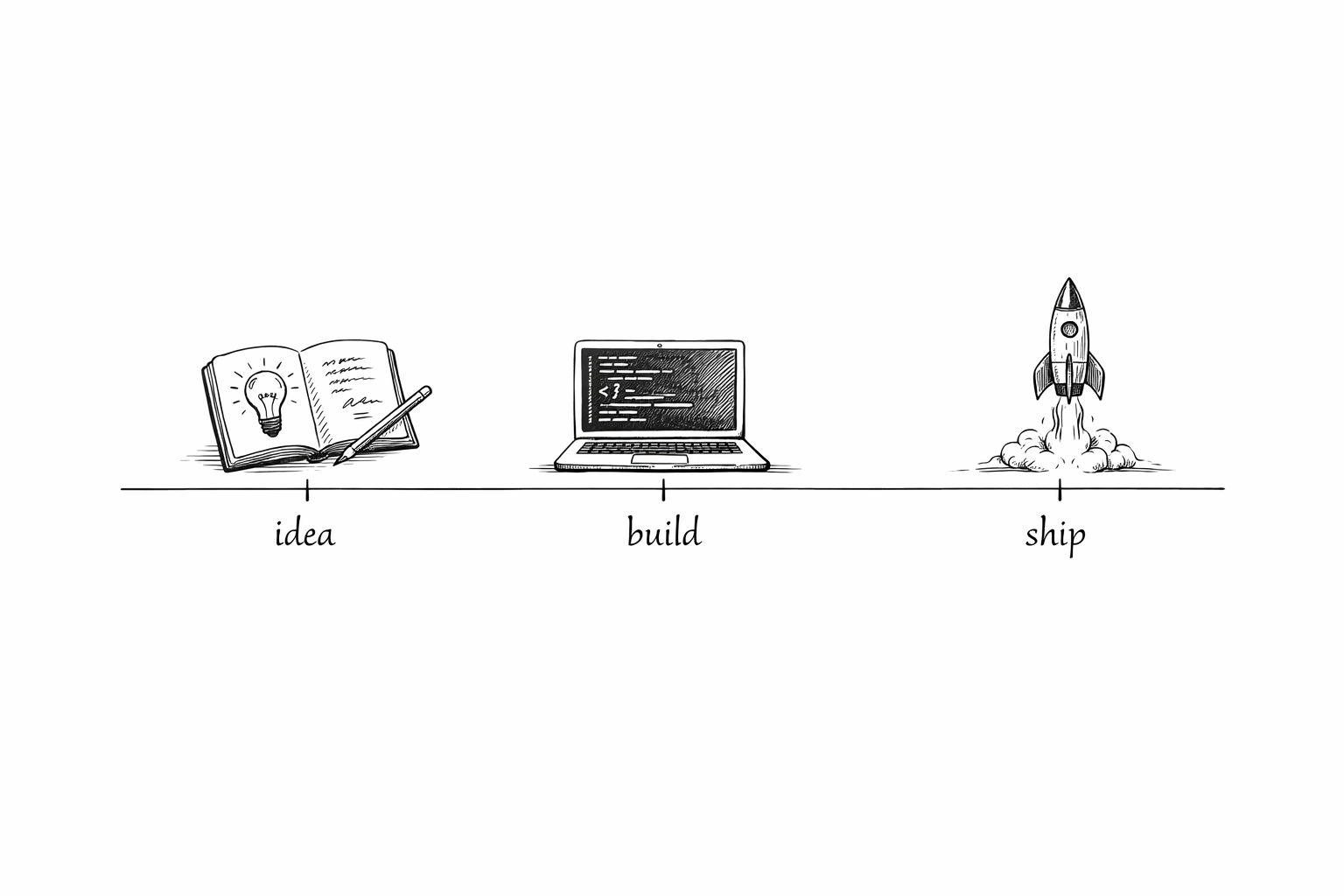
The pattern is always the same: idea on Monday, working product by Friday. If you’re curious about which vibe coding tools actually hold up in production, we broke that down separately.
You can vibe code the product. Let us handle the blog.
If vibe coding handles your engineering, Vibeblogger handles your SEO. Researched, written, and published — on autopilot. So your SaaS actually ranks on Google while you focus on building.
See how Vibeblogger works